
Resilience, Expectations and Being Human
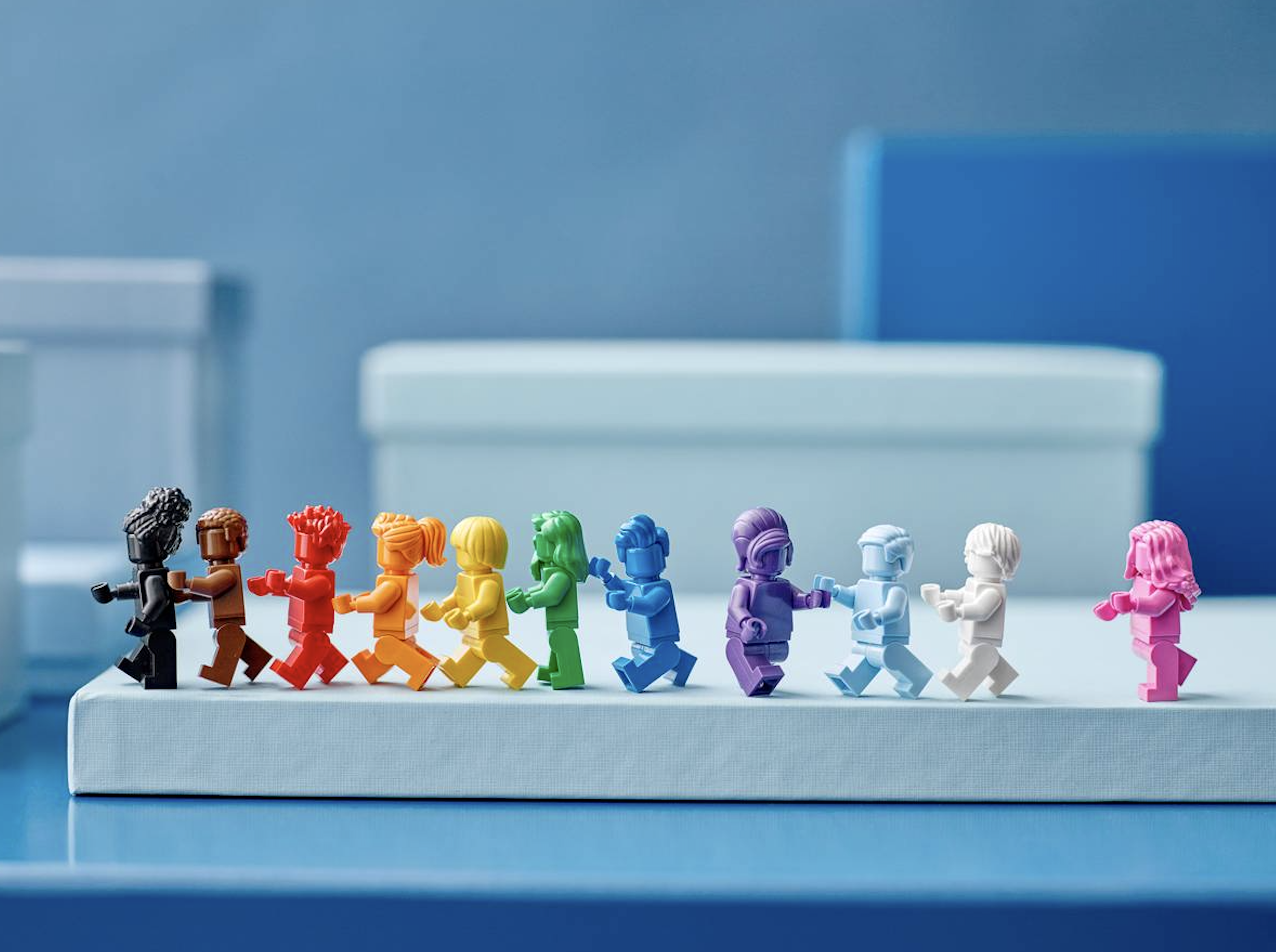
We talk a lot about resilience. About pushing through, holding it together and showing up, no matter what’s going on around us.
And in many ways, we all do that. Every day.
But resilience doesn’t look the same for everyone.
For some, it’s managing a full calendar, a busy home, family responsibilities and a demanding job, all before the day has properly begun. For others, it’s something much quieter. Getting out of bed, having a shower, walking into a room full of people or starting a conversation. Things that might seem small from the outside can feel enormous from within.
And that’s the thing. Everything is relative to our own lived experience.
Each of us is working with a different set of tools, shaped by what we’ve been through, how we’re wired and how we navigate the world. It makes comparison difficult, and expectation even more so.
Because expectations are everywhere. From ourselves, from work, from family and friends, and from the world around us. Some are spoken, many are not, and most of the time we manage them — until we can’t.
This piece wasn’t planned. It came after one of those mornings where everything that could go wrong, did. Across the team, it felt like one thing too many. Small things, big things, the kind that don’t sit neatly within a working day.
And suddenly, the conversation shifted away from deadlines and delivery, and towards people and reality.
We found ourselves talking about what it really means to show up to work as a whole person. Not a filtered version of yourself, not the “everything’s fine” version, but the real one — the one that is sometimes tired, sometimes overwhelmed, sometimes distracted, and sometimes not okay.
And what happens if that’s allowed?
Not managed, fixed or solved. Just acknowledged.
It’s not an employer’s role to solve everything that happens outside of work. Life is complicated and things happen, often unexpectedly, and sometimes relentlessly. But what if the expectation wasn’t that everyone arrives polished, composed and ready every single day? What if there was more space for honesty? More understanding that people carry things with them, and that the “whole person” doesn’t switch off at the door?
Because when people feel able to be themselves — properly, without the need to filter or perform — something wonderful happens. Trust builds, pressure softens and connection strengthens. And often, people give more. Not because they have to, but because they feel able to.
We touched on so many things in that conversation; neurodiversity, motivation, disengagement, retention, development — but all of it seemed to come back to the same point.
People are complex.
And perhaps resilience isn’t about pushing through everything. Perhaps it’s about knowing when you don’t have to. About being able to say, “today’s a bit much,” and being in an environment where that doesn’t feel like failure.
We’re all balancing something, juggling something, carrying something. And maybe the most useful thing we can do, for ourselves and for each other, is to recognise that. To allow space for it. To be a little more open, a little more understanding, a little more human.
Because the polished version of ourselves might look good on the surface, but it’s not where real connection sits. And it’s certainly not where the best work comes from.
There’s something powerful in taking the time to understand what brings light into your day, what gives you energy and what takes it away. And just as importantly, in feeling able to communicate that — with clients, with employers, with friends and even with strangers.
Because it really is more than okay to be fully, unapologetically yourself in every situation. The world is better for it. Workplaces are better for it. Teams are stronger for it. Friendships form, acceptance grows, and respect is both given and received. It’s rarely a bad thing.
And when authenticity sits at the core, something shifts. People connect more openly, understand each other more deeply and, perhaps most importantly, begin to understand themselves.
Because when you allow space to be yourself, you also create space to learn who that really is.
If this resonates or challenges your thinking, we’d love to hear from you.
